

Buying and Selling at the Same Time: A Practical Massachusetts Roadmap
Buying and Selling at the Same Time in Massachusetts Without Losing Your Mind
Trying to line up a home sale and a home purchase at once can feel like balancing on a moving train. One decision affects the next, deadlines stack up quickly, and emotions tend to run high when your current home, your future home, and your finances are all connected. In Massachusetts, where inventory can shift by season and competition varies dramatically from one town to the next, a clear plan matters even more.
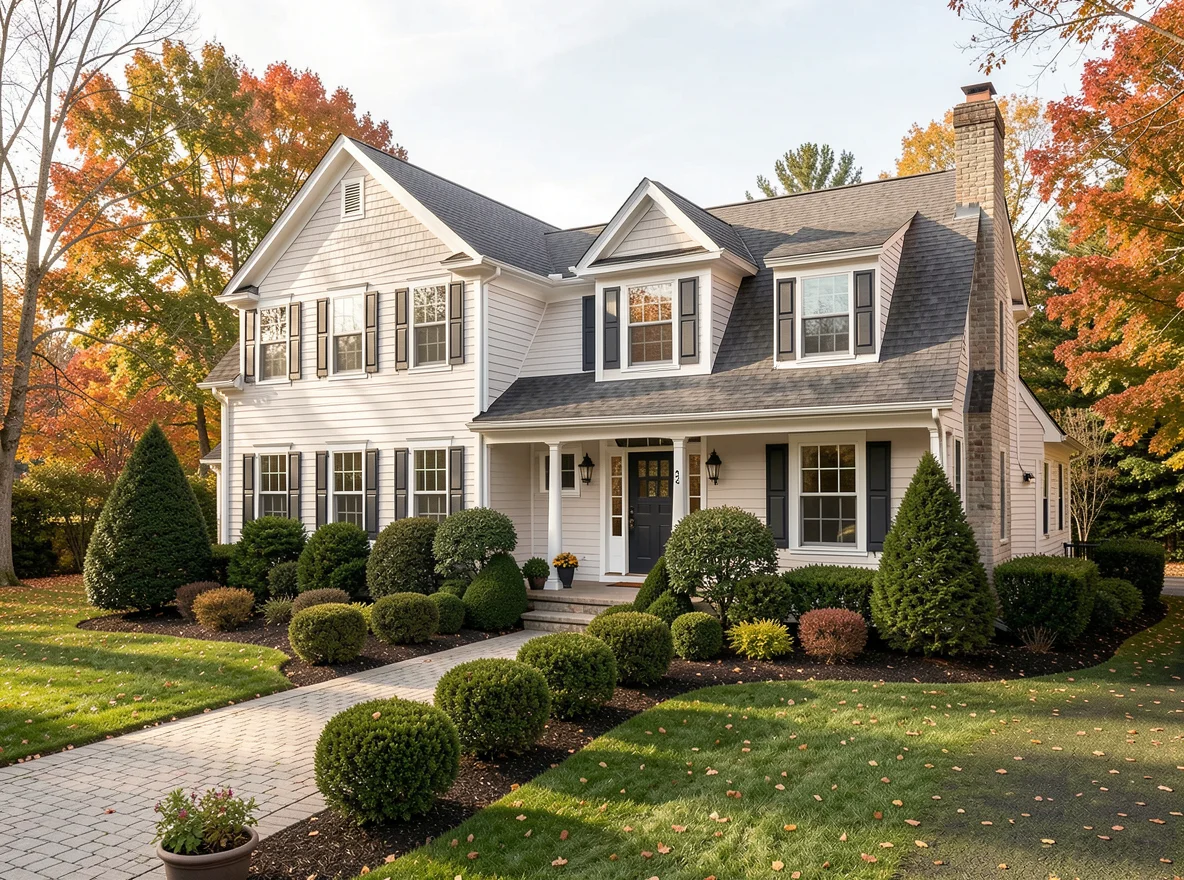
The good news is that this process does not have to be chaotic. With smart sequencing, realistic pricing, and a coordinated team, many Massachusetts homeowners successfully make the leap from one property to the next with less stress than they expected. The key is to stop thinking of the transaction as two separate deals and start treating it as one connected strategy.
That strategy usually begins with timing and numbers. Before touring homes or scheduling listing photography, it helps to understand your likely sale price, estimated proceeds, closing costs, and how much cash you will need for the next purchase. This is where a team-based approach can make a real difference. When professionals are working in concert on both the buy side and the sell side, communication tends to be faster, details are less likely to slip, and clients get guidance that reflects the full picture rather than only half of it.
In practical terms, that means building a roadmap around a few core questions: Do you need the equity from your current home in order to buy? Can you qualify for the next purchase before your existing property closes? Would a rent-back, extended closing, or home sale contingency help bridge the gap? In some Massachusetts communities, especially where homes move quickly, flexibility can be just as valuable as price.
Start With the Sale, But Prepare for the Purchase
Many homeowners assume they should find the next house first and then put their current one on the market. Sometimes that works, but often the stronger path is to prepare your present home for sale before actively making offers. That does not mean waiting passively. It means handling the pieces you can control: decluttering, minor repairs, staging, photography, pricing analysis, and a conversation with a lender about your buying power.
Massachusetts buyers tend to notice condition quickly, especially in markets with older housing stock where deferred maintenance can raise concerns. A polished listing can attract stronger offers, shorten days on market, and improve your leverage when negotiating timing. If your home presents well from the start, you may have more options to negotiate a closing date that aligns with your move.
At the same time, get serious about the purchase side early. Explore target neighborhoods, school districts, commute patterns, and lifestyle priorities. One town may offer a vibrant village center and walkability, while another may deliver larger lots, newer construction, or easier access to trails, lakes, or coastal recreation. Families often weigh school fit and youth activities, while downsizers may prioritize low-maintenance living and proximity to dining and medical services. The right move is not only about square footage; it is about how you want daily life to feel.
Know the Three Most Common Timing Paths

Path one: sell first, then buy. This is often the most financially conservative option. You know your proceeds, you reduce risk, and you can shop with confidence. The downside is that you may need temporary housing if you do not find the next property in time.
Path two: buy first, then sell. This can be attractive if you have strong cash reserves or financing flexibility. It gives you time to move thoughtfully and prepare your old home for the market after you leave, which can improve presentation. But carrying two properties, even briefly, is not comfortable for everyone.
Path three: coordinate both closings closely. This is the ideal many sellers hope for, and it can absolutely happen with good planning. The challenge is that every moving part has to stay on schedule: financing, inspections, appraisal, title work, movers, and negotiated possession dates. A delay on either side can create stress, so contingency planning matters.
In Massachusetts, where local conditions vary from Greater Boston suburbs to coastal communities and smaller inland towns, the best path depends on your market position. If your current home is likely to draw immediate interest, you may have room to negotiate favorable terms. If inventory is extremely tight where you want to move, you may need a more patient or creative purchase strategy.
Use Negotiation Terms to Create Breathing Room
Price is only one part of the contract. Timing terms can be just as important when you are buying and selling simultaneously. For example, an extended closing on your sale may give you more time to secure your next home. A post-closing occupancy agreement, sometimes called a rent-back, can allow you to remain in the home for a short period after closing while your purchase wraps up. On the buy side, a home sale contingency may protect you if your current property has not yet closed, though it can make your offer less competitive in a multiple-offer setting.
This is where experienced brokerage guidance becomes especially valuable. The right advice is rarely one-size-fits-all. It depends on your equity, your financing, your tolerance for risk, and the pace of the neighborhoods involved. Coordinated client support can help you compare options clearly rather than making rushed decisions under pressure.
It also helps to think beyond the transaction itself. Where will the kids go during moving week? Do you need storage for a month? Is your new commute easier or harder? Are you moving for schools, more outdoor space, access to the waterfront, or a stronger sense of community? Real estate choices affect everyday routines, so the practical details deserve attention alongside the big financial ones.
What to Expect From the Massachusetts Market

Across Massachusetts, buyers often care deeply about neighborhood character, school access, condition, and convenience. Some are searching for historic charm and walkable centers; others want updated interiors, larger yards, or easy access to commuter routes. Recreational amenities also shape demand, whether that means nearby conservation land, golf, boating, beaches, or community parks. Understanding what buyers value in your specific area helps position your current home more effectively.
On the purchase side, be ready to move decisively when the right property appears. That means strong lender preparation, clear priorities, and a realistic understanding of what is available in your budget. It also means knowing where to compromise. Maybe the kitchen is not perfect, but the neighborhood and lot are exactly right. Maybe the home needs cosmetic updates, but it places you closer to family, schools, or the lifestyle you want next.
For many households, the most successful move is not the one that checks every box on paper. It is the one that creates a smoother transition and supports the next chapter of life with confidence.
A Calm, Coordinated Plan Wins
Buying and selling at the same time is a lot to manage, but it becomes far more workable when the process is organized from the beginning. A thoughtful pricing plan, a lender conversation early on, preparation before listing, and well-negotiated timing terms can turn a stressful overlap into a manageable sequence of steps. With Threshold Real Estate Group’s team-based approach, clients benefit from multiple professionals focused on coordinated support across both sides of the transaction.
In the end, this is less about perfect timing and more about smart preparation. If you are planning a move in Massachusetts, the right roadmap can help you protect your equity, reduce surprises, and move forward with far more clarity than guesswork ever could.